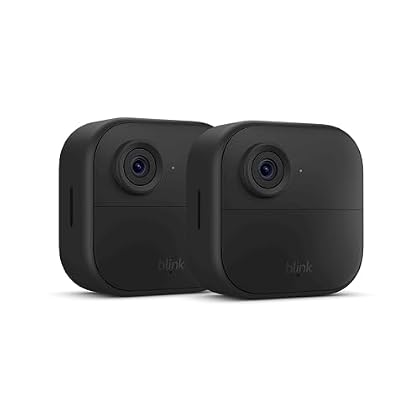
Blink Sync Module XR+ Review: Extended Range for Remote Workspaces
Read from the Amazon listing on 19 Oct 2026. Figures below are the seller’s; scores are out of 10, based on listed specifications and buyer feedback.
As Amazon Associates, we earn from qualifying purchases. This means we may receive a small commission at no extra cost to you if you click through and make a purchase.
The Blink Sync Module XR+ is an upgraded hardware bridge engineered to link, manage, and extend the operating radius of Blink security hardware using proprietary long-range transmission. Rather than forcing remote cameras to compete for signal on congested household Wi-Fi frequencies, this compact hub introduces a dedicated sub-gigahertz signal pathway designed to penetrate obstacles and span significant physical distances. For mobile professionals, travel creators, and perimeter managers needing dependable security coverage across expansive worksites, our verdict is that this unit offers an exceptionally practical, low-draw networking solution, provided you deploy it alongside compatible cameras.
This long-range hub is tailored for traveling production teams, camper van remote workers, and field researchers who need to establish an external perimeter around mobile offices, vehicles, or rural cabins where standard wireless signals collapse. If you need a reliable, portable blink security hub that can relay camera notifications across open pastures or large work compounds without requiring heavy cellular trail cameras, this module fits the bill. However, renters or urban creators living in compact apartments already serviced adequately by an entry-level blink module 2 will find little practical gain from its extended reach, and anyone looking for universal third-party camera compatibility should look elsewhere.
Blink Sync Module XR+ at a Glance

- Our score
- 8.4/10
- Brand
- Blink
- Amazon code
- B0GGDSPGPJ
Figures above are read from the Amazon product page, not measured here.
- Radio Frequency
- 900MHz proprietary XR transmission band
- Open-Air Coverage Range
- Up to 2,700 feet with Outdoor 4 cameras
- Typical Coverage Range
- Up to 1,700 feet in standard deployment environments
- System Capacity
- Controls up to 10 Blink devices simultaneously
- Local Media Storage
- MicroSD card slot supporting capacities up to 256 GB
- Cloud Storage Compatibility
- Supported via 30-day trial Blink plan (subscription sold separately)
- Power Connection
- USB-C interface with included wall adapter and cable
- Outdoor Placement
- Supported with Blink Weather-Resistant Power Adapter (sold separately)
- Live View Latency
- Up to 20% quicker access in poor Wi-Fi zones
- Box Contents
- One Sync Module XR+, one USB-C cable, one power adapter
Wireless Range and 900MHz Coverage
Listed spec Open-Air Coverage Range Up to 2,700 feet with Outdoor 4 cameras
The primary draw of this updated hub lies in its hardware architecture, which bypasses the standard 2.4GHz consumer spectrum in favor of a specialized 900MHz band. In traditional mobile or rural setups, standard Wi-Fi frequencies scatter rapidly when encountering natural terrain, vehicle chassis, tree lines, and outbuilding walls. By leveraging 900mhz sync module coverage, the hub establishes an ultra-stable connection that yields up to ten times the physical range of standard Wi-Fi-dependent hardware, radically transforming how far away a surveillance node can sit from the base station.
When assessing the true blink sync module xr+ range, operational figures show the system reaching up to 2,700 feet in unobstructed open-air conditions and up to 1,700 feet under typical use where incidental structures intervene. In real-world travel and remote workspace scenarios, this broad envelope allows you to position cameras along private access roads, campsite perimeters, or remote gear trailers while maintaining a solid signal. The listing notes that video resolution may vary depending on environmental interference and total distance, but the structural radio link remains substantially more resilient than standard commercial alternatives.
Reliability metrics underscore the utility of this sub-gigahertz signal in difficult networking environments. According to the manufacturer data, connected cameras experience up to 70% fewer disconnects in zones plagued by weak Wi-Fi signal strength. Furthermore, mobile operators checking their feeds receive up to 20% faster access to live view feeds when operating in low-signal areas, eliminating the agonizing lag often encountered when trying to verify an exterior perimeter alert from inside a heavily insulated vehicle or remote workstation cabin.
Power Demands and Remote Battery Optimization
Listed spec Power Connection USB-C interface with included wall adapter and cable
Deploying surveillance hardware in the field requires strict power management, particularly when running from portable power stations, vehicle auxiliary 12V inverters, or off-grid solar generators. The module itself operates via a standard USB-C port, supplied out of the box with an accompanying cable and wall power adapter. While the listing does not specify the exact milliamp draw of the hub during active transmission, its compact form factor and direct USB-C input ensure effortless integration into modern packing cubes, gear cases, and portable power bank setups.
On the camera side of the equation, the hardware integration delivers tremendous operational efficiency. When utilizing a blink outdoor camera sync module system alongside the proprietary chip architecture inside the XR+ hub, paired Outdoor 4 cameras achieve up to two years of battery life when running on standard Energizer Lithium AA batteries. This extended longevity remains intact even when cameras communicate across long distances, preventing the rapid battery depletion that usually plagues high-power extended-range Wi-Fi devices.
Travelers and field creators looking to mount the hub in an external position to maximize line-of-sight range can also do so safely. The unit supports both indoor and outdoor placement, provided users acquire the Blink Weather-Resistant Power Adapter, which is sold separately. Positioning the hub outside a vehicle or temporary cabin allows you to extract the full 2,700-foot open-air capability without signal dampening from metal walls or structural insulation, creating a flexible security umbrella around temporary project sites.
Local Media Storage and Offline Data Handling
Listed spec Local Media Storage MicroSD card slot supporting capacities up to 256 GB
For mobile video editors, creators, and professionals operating in wilderness or low-connectivity zones, offloading security data to the cloud is frequently impossible due to scarce cellular data or prohibitive satellite bandwidth costs. The presence of blink sync module xr+ local storage addresses this logistical pain point directly. The hub features an integrated MicroSD card slot capable of accepting cards up to 256 GB in capacity, providing ample room for automated clip storage right at the base station.
This onboard storage architecture ensures you do not need an ongoing financial commitment to capture and archive motion clips. While the hardware comes with a 30-day free trial of a Blink cloud subscription plan, ongoing cloud storage requires a separate paid tier. Using a high-capacity MicroSD card—which is sold separately—enables creators to retain full local ownership of their footage, saving satellite hotspots for client uploads and remote work tasks while your perimeter cameras quietly log clips locally.
Accessing these locally recorded events remains straightforward through the companion software ecosystem. Once recorded to the local card, clips can be viewed and shared directly via the mobile app whenever your smartphone is on the same local network or connected over mobile data. For remote operations where cellular coverage is completely absent, retaining raw clips on physical storage media ensures that any motion triggered around your workspace remains preserved for manual offloading and review later.
Field Deployment and App Management
The operational workflow and blink sync module xr+ setup process prioritize minimal configuration overhead, which is critical when setting up a temporary camp or staging area after dark. The module pairs directly through the Blink mobile application, acting as the primary master controller for your deployed equipment. From this single software dashboard, operators can quickly arm, disarm, and manage up to 10 connected Blink devices simultaneously, providing comprehensive situational awareness across a multi-camera perimeter.
It is important to emphasize ecosystem boundaries when planning an equipment loadout around this hardware. The specialized 10x range expansion specifically powers the Blink Outdoor 4 camera system, making a dedicated blink bundle xr setup ideal for those who need wide-area perimeter monitoring. While older or alternative Blink cameras can connect to the mobile app alongside the hub, the dramatic 1,700-to-2,700-foot reach is driven by the proprietary pairing between the XR+ hub and the Outdoor 4 architecture.
The physical footprint of the module makes it an effortless addition to minimalist travel bags. Packaged neatly with its USB-C connection, it takes up no more room than a standard external hard drive or card reader. Whether tucked behind a monitor inside a mobile production truck or mounted inside a rooftop gear pod with the optional outdoor power lead, the hub creates a clean, low-profile command center that functions reliably without intrusive cabling or excessive diagnostic displays.
Blink Sync Module XR+ Pros and Cons
Pros
- Proprietary 900MHz band bypasses congested Wi-Fi
- Up to 2,700 feet open-air transmission range
- Local storage support up to 256 GB MicroSD
- Manages up to 10 Blink devices simultaneously
- Up to 70 percent fewer camera disconnects
Cons
- MicroSD storage card sold separately
- Weather-resistant outdoor power adapter sold separately
- Extended range features require Outdoor 4 cameras
Who Should Buy the Blink Sync Module XR+
Buy It If
- You manage a remote job site, RV campsite, or acreage where cameras sit hundreds of feet away from your primary workstation.
- You want to store surveillance clips locally on an optional MicroSD card without paying mandatory monthly cloud subscription fees.
- You need to build a multi-node perimeter consisting of up to 10 Blink devices managed through a unified mobile application.
- You already own or plan to purchase Outdoor 4 cameras to capitalize on the proprietary 900MHz extended transmission range.
Skip It If
- Your surveillance setup is confined entirely to a small apartment or standard suburban home where standard Wi-Fi coverage is strong.
- You intend to connect third-party security cameras, as the hub is engineered solely for the Blink hardware ecosystem.
- You expect an included memory card in the package, as local storage media must be purchased separately.
Blink Sync Module XR+ Alternatives Worth a Look
While the XR+ hub provides specialized extended-range capabilities for Blink users, shoppers comparing long-range hubs and modular system components may encounter other listings with similar nomenclature or alternate hardware configurations.
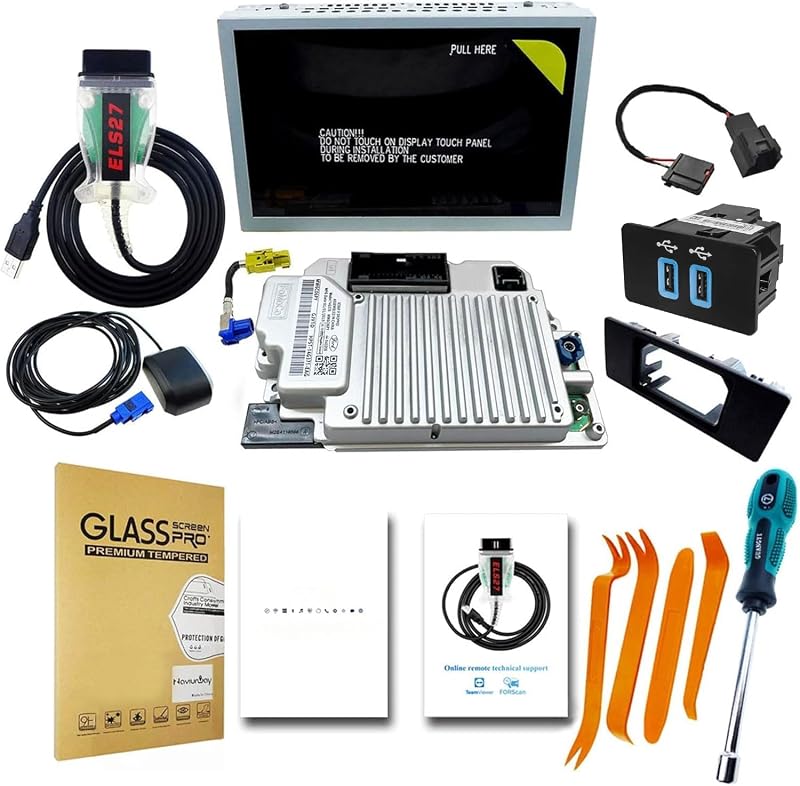
2024 SYNC 2 to SYNC
The 2024 SYNC 2 to SYNC 3 Upgrade Kit is an automotive infotainment replacement system built specifically for Ford and Lincoln vehicles equipped with 8-inch MyFord Touch displays. It includes a GEN IV APIM module and wired hub to upgrade in-dash vehicle navigation and multimedia controls to SYNC 3.4. While search algorithms occasionally display this item due to the word sync in its title, this is strictly vehicle dashboard hardware and has no connection to wireless home or perimeter camera surveillance.

Blink Outdoor XR+
The Blink Outdoor XR+ is a complete one-camera security system that packages the proprietary extended-range wireless Outdoor 4 camera alongside its XR transmission hardware out of the box. Rather than buying the hub by itself to integrate with cameras you already have, this kit is designed for buyers starting from scratch who want guaranteed out-of-the-box compatibility with the 10x security coverage features. Buyers looking for higher resolution alternatives within the brand catalog might also research options like the blink outdoor 2k+ before deciding on an ecosystem path.
Final Verdict
Evaluating whether the investment in this extended-range hub makes sense ultimately hinges on the physical scale of your workspace. If you have struggled with camera dropouts, agonizing live-view lag, or dead zones at the edges of your property or mobile campsite, the sub-gigahertz 900MHz frequency band delivers tangible performance gains. The combination of up to 2,700 feet of open-air transmission, up to 70% fewer dropouts, and support for up to 10 devices makes it an outstanding wireless backbone for wide-area monitoring.
When you factor in local storage via the MicroSD card slot and two-year battery life on paired Outdoor 4 cameras, the module proves itself as a lightweight, field-ready asset for travel creators and remote operators. While it requires separate purchases for local memory cards and weather-resistant outdoor power cables, its underlying range enhancement solves the most frustrating limitations of consumer wireless cameras. For those managing expansive or off-grid footprints, the hardware delivers dependable, broad-spectrum perimeter awareness.
FAQ
What devices work with the extended range of the XR+ hub?
The proprietary extended range provided by the 900MHz XR technology is engineered specifically for Blink Outdoor 4 cameras, which are sold separately. While the module can act as a general controller for up to 10 Blink devices inside the mobile app, the full 10x range extension requires Outdoor 4 hardware.
Does the Blink Sync Module XR+ require a paid subscription to store video clips?
No, a paid subscription is not mandatory for saving footage. The device includes a physical MicroSD card slot supporting cards up to 256 GB for local video storage, though the memory card itself must be purchased separately. A 30-day free trial of the cloud-based Blink plan is included for those who prefer remote cloud backups.
Can the Sync Module XR+ be mounted outdoors safely?
Yes, the module supports both indoor and outdoor placement. However, if you plan to install the hub in an exterior location to maximize line-of-sight range, you must use the Blink Weather-Resistant Power Adapter, which is sold separately from the standard retail package.
What comes inside the retail box?
The standard product package contains one Blink Sync Module XR+, one USB-C connection cable, and one standard wall power adapter. External accessories such as MicroSD storage cards, outdoor-rated weather adapters, and security cameras are sold separately.
How does the 900MHz frequency improve connectivity compared to standard Wi-Fi?
Standard Wi-Fi relies heavily on congested 2.4GHz frequencies that struggle to pass through physical barriers and degrade rapidly over long distances. The proprietary 900MHz XR band avoids standard network congestion entirely, unlocking up to 1,700 feet of typical range, up to 20% quicker live-view access in poor signal conditions, and up to 70% fewer network disconnects.